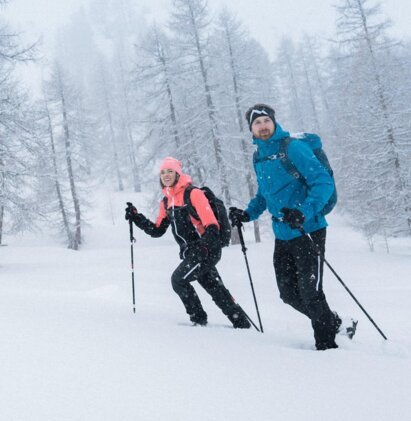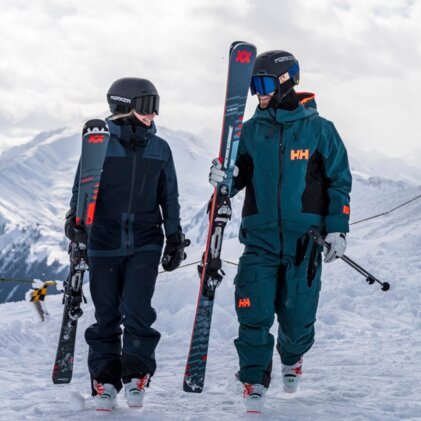
A practical packing list for snowshoeing is the basis for a relaxed tour in the snowy wonderland. Snowshoeing is a great alternative to skiing and snowboarding. Away from the slopes, it is usually quieter and you can explore the beautiful winter landscape at a relaxed pace. But what equipment do you need to snowshoe, and what is the ideal outfit? We have done some research and created a packing list for snowshoeing for you, so you can plan your adventure in the snow perfectly!
What exactly is snowshoeing?
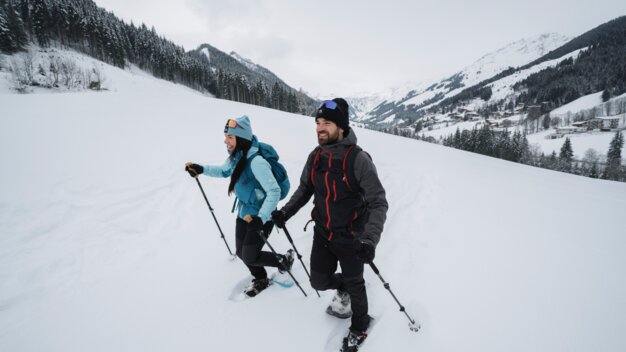
Before you make your packing list, it's worth taking a look at what this hobby actually involves. Snowshoeing is an outdoor activity that brings you closer to nature througha very special means of transportation: Snowshoes allow you to walk through deep snow without sinking. So you can hike with ease across snow-covered trails or through pristine nature.
Snowshoeing requires no prior experience. This makes the sport extremely beginner-friendly and ideal for people of all ages and fitness levels. If you want to start your first adventure in a group, you can join a guided tour.
What equipment do I need for snowshoeing?
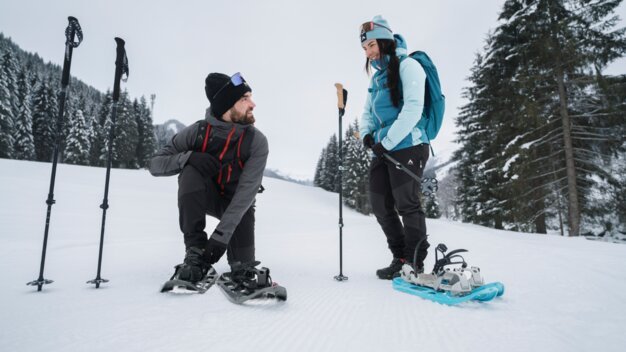
The most important thing is, of course, the special "footwear", the snowshoes. There are different types, but they are all similar in design:
- Frame: It forms the basic structure of the equipment and is made of lightweight materials such as aluminum or plastic. Its elongated and flat shape distributes the hiker's weight over a larger area. This prevents sinking into the snow and provides stability when walking.
- Bindings: They are designed to fit snugly around your boots or hiking shoes and provide a secure hold on the snowshoe. Modern snowshoe bindings are usually easy to put on and adjust.
- Ascent edges: Snowshoes often have rising edges or claws on one or both sides. These dig into the snow and provide extra grip. This is especially useful on steep slopes when going up and down.
- Climbing skins: Some models are equipped with removable climbing skins. These are attached to the underside and prevent slipping backwards when ascending.
Tip:
Want to try out the sport before you buy your own snowshoes? At selected INTERSPORT Rent shops, you can easily rent various models and start your first snowshoe hike. This allows you to get a feel for the sport and see if it is the right thing for you.
How do I choose the right snowshoes?
Not all snowshoes are the same. The best model for you depends primarily on how you plan to use them. General-purpose snowshoes are great for hiking on flat terrain. There are also models designed specifically for mountaineering and trail running.
Another distinguishing feature is the size. The right choice takes into account both the weight of the hiker and the type of terrain. While larger snowshoes offer more buoyancy in deep snow, smaller models are lighter and more manoeuvrable.
What is the best clothing to wear for snowshoeing?
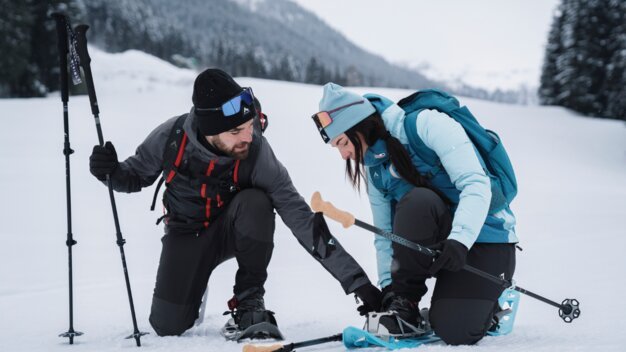
In order to enjoy your snowshoeing trip to the fullest, you should make sure you have the right gear. You will definitely need the following items:
- Warm and weatherproof clothing: Wear multiple layers to wick away moisture and keep you warm and protected from the cold and wet. This includes a moisture-wicking base layer, a warm mid layer, and a protective outer layer (such as a ski jacket and snow pants).
- Waterproof footwear: Invest in insulated boots or hiking boots that resist moisture and provide good grip.
- Protective gloves: Wear waterproof gloves or mittens to protect your hands from the cold and moisture!
- Warm hat or helmet: A well-fitting hat keeps your head warm. On high-altitude trips, a sturdy helmet protects you from possible injury. It is often combined with a thin hat or balaclava.
- Sun and eye protection: Even in winter, the UV radiation in the mountains is not to be underestimated, especially when the snow reflects the sun's rays. Wear appropriate sunglasses or ski goggles to protect your eyes from strong radiation.
What other equipment do I need for snowshoeing?
In addition to functional clothing, there are a few things you should always have with you, depending on the type of tour:
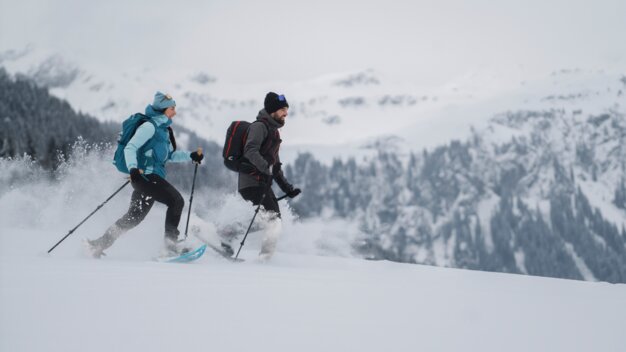
- Hiking poles: They can be used for additional support when snowshoeing. Equipped with snow baskets, they contribute to improved stability and power distribution. This is especially beneficial in uneven terrain or when going up and downhill.
- Rucksack: A small backpack is useful for carrying water, snacks, a first aid kit and possibly extra clothing. Make sure it is waterproof or use a protective cover for important items!
- Food and drinks: Pack easily digestible snacks, such as energy bars, and plenty of water or hot tea in insulated bottles. This will keep you well nourished throughout the trekSun protection: Sunscreen with a high sun protection factor (at least SPF 30) and lip balm with UV filter will protect you from sunburn and chapped skin.
- Navigation device: A map of the area, a GPS device or a smartphone app for navigation will help you stay on the right track.
- Emergency equipment: Be sure to bring basic first aid supplies, a cell phone, and possibly an emergency signaling device (such as a whistle). These are essential if you want to help others or need to help yourself.
- Avalanche equipment (if necessary): When traveling in avalanche prone areas, you should carry a shovel, probe and Avalanche Transceiver (LVS). An avalanche airbag is also recommended. Please be careful: Postpone your trip or choose an alternate route if the avalanche warning level on your planned route is high! This will ensure that you do not put yourself and your fellow hikers in unnecessary danger. If you are heading into high alpine terrain, it is essential that you attend courses on avalanche and weather awareness beforehand.
- Useful tools & accessories: Small tools such as a headlamp or torch help you find your way if you are out longer than planned. Gaiters keep snow out of your boots. A small multi-tool and a lighter can be useful in unexpected situations. You should also carry tissues or toilet paper, some cash and identification. A small, waterproof bag is handy for storing wet clothes or rubbish.
Your complete packing list for snowshoeing
The following packing list will help you keep track of everything you need. It includes everything from proper footwear and safety gear to snacks and navigation:
- Snowshoes
- Hiking poles with snow baskets
- Rucksack (size depends on the length of the tour)
- Avalanche equipment (if travelling in avalanche areas): shovel, probe, avalanche transceiver (LVS), avalanche airbag (optional)
- Map of the area, GPS device, smartphone with navigation app or compass
- First aid kit, emergency blanket or bivouac sack
- Multifunctional tool or pocket knife and possibly a repair kit for snowshoes
- Insulating base layer (thermal underwear), warm mid-layer (fleece or insulated jacket) and waterproof outer layer (ski jacket and snow trousers)
- Warm socks (preferably made of merino wool) plus waterproof and insulated boots or hiking boots
- Warm hat or helmet and, if necessary, neck or face protection (scarf or buff)
- Insulated gloves or mittens
- Spare clothing
- Ski goggles or sunglasses with UV protection
- Sun protection
- Gaiters or snowshoe covers (optional, to keep snow out of your boots)
- Water bottle or hydration bladder and thermos flask with hot drink
- Easily digestible snacks (energy bars, dried fruit, nuts)
- Waterproof plastic bags (for packing rubbish or wet clothing)
- Identification documents and cash
- Headlamp or torch with spare batteries
- Lighter or matches in waterproof packaging
- Tissues
In general, you can be flexible with your equipment and clothing depending on weather conditions and the length of your snowshoe trip. It is important that you are well prepared to travel safely and comfortably.

Frequently asked questions about the packing list for snowshoeing
What should be on the packing list for snowshoeing?
A good packing list for snowshoeing includes everything that keeps you warm, safe and mobile. This includes snowshoes and poles, weatherproof clothing, safety equipment and snacks. It is important that you do not overexert yourself or forget anything important. Depending on the terrain and length of your trip, you may also need avalanche gear or a GPS. This will ensure that you are prepared for any situation.
Can I rent snowshoes and poles from INTERSPORT Rent?
Yes, you can easily rent snowshoes, poles and suitable clothing at many INTERSPORT Rent locations. This allows you to find out which models suit you best before you decide to buy your own equipment. The RENTertainers will be happy to advise you on which equipment is best suited to your level of experience and your planned tour.
What clothing is best suited for snowshoeing?
We recommend the onion principle: a breathable base layer wicks away moisture. An insulating mid layer keeps you warm and a weatherproof outer layer protects you from wind and weather. One possible combination is a base layer made of merino wool, a mid-layer made of fleece and a hardshell or softshell jacket on the outside. If you would like to hire high-quality ski clothing for snowshoeing, you can do so at INTERSPORT Rent. Expert advice included!
What should be on my packing list for snowshoeing when I'm out and about in alpine terrain?
In the mountains, it makes sense to take additional equipment with you:
- Avalanche safety kit (avalanche transceiver, probe, shovel)
- Rucksack with avalanche airbag for steeper slopes
- Headlamp and first aid kit
- Warm spare clothing and extra energy snacks
This additional equipment ensures greater safety and comfort when you are out and about in alpine terrain.
How long does a typical snowshoe hike take?
That depends on your fitness level, the terrain and the snow conditions. A two- to three-hour tour is suitable for beginners, while experienced hikers can plan longer distances and day tours. Start early to be back in the valley before dark.
INTERSPORT Rent tip
The RENTertainer recommends
Not sure what equipment is best for you? No problem! You can test different snowshoes and accessories directly in selected INTERSPORT Rent shops. Our local RENTertainers will be happy to advise you and give you valuable tips for your first deep-snow trip. You'll be well equipped for your first snowshoe adventure!
Related articles
You may also be interested in: