You only realise how important it is to have the right ski boot when it pinches! To make sure this never happens to you again, we at INTERSPORT Rent have summarised everything you need to know about choosing the right ski boot size, including a size chart.
Measuring your foot length: How to find the right size
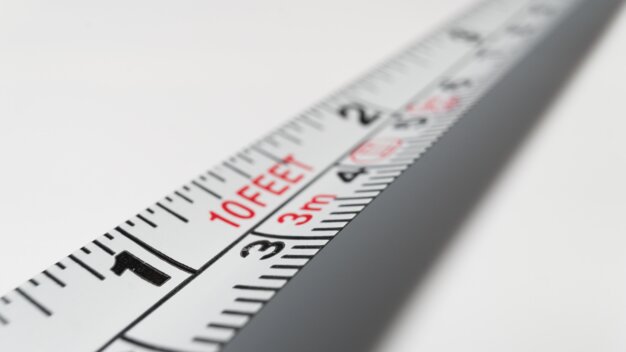
The right size is crucial when buying boots - whether ski or snowboard boots. The good thing about ski boots is there is a standardised system. The size specifications guarantee uniformity regardless of the brand. To measure correctly, you need:
- Measuring tape
- Piece of Paper and pen to write down the size
This is how it works:
- Stand barefoot with both heels against a wall
- Measure the entire length of your foot and use the longer one as a guide
- Convert the value according to the Mondopoint size chart
The following table provides a clear overview of the different ski boot size standards.
Size chart for ski boots: Mondopoint
The ski boot size is standardised in the Mondopoint system (MP for short). The values are based on the foot length in centimetres and thus ensure uniformity.
The following applies: 1 Mondopoint = 1 cm foot length
|
MP |
EU | UK |
MP |
EU | UK | |
| 15.5 | 25 | 7.5 | 26.0 | 40.5 | 7.0 | |
| 16.5 | 26.5 | 8.5 | 26.5 | 41 | 7.5 | |
| 17.0 | 27.5 | 9.0 | 27.0 | 42 | 8.0 | |
| 17.5 | 28 | 10.0 | 27.5 | 42.5 | 8.5 | |
| 18.5 | 29 | 11.0 | 28.0 | 43 | 9.0 | |
| 19.5 | 30.5 | 12.0 | 28.5 | 44 | 9.5 | |
| 20.0 | 31 | 13.0 | 29.0 | 44.5 | 10.0 | |
| 20.5 | 32 | 1.0 | 29.5 | 45 | 10.5 | |
| 21.0 | 33 | 2.0 | 30.0 | 45.5 | 11.0 | |
| 21.5 | 34 | 3.0 | 30.5 | 46 | 11.5 | |
| 22.0 | 35 | 3.5 | 31.0 | 47 | 12.0 | |
| 22.5 | 36 | 4.0 | 31.5 | 47.5 | 12.5 | |
| 23.0 | 36.5 | 4.5 | 32.0 | 48 | 13.5 | |
| 23.5 | 37 | 5.0 | 32.5 | 48.5 | 13.5 | |
| 24.0 | 38 | 5.5 | 33.0 | 49 | 14.0 | |
| 24.5 | 38.5 | 6.0 | 33.5 | 50 | 14.5 | |
| 25.0 | 39 | 6.5 | 34.0 | 51 | 15.0 | |
| 25.5 | 40 | 7.0 |
Fit check: 4 tips for verifying the correct match
The right ski boot fit is crucial for control, power transmission and comfort. However, it should be mentioned that ski boots per se are not the most comfortable type of boot. They often feel constricting and unusually tight. It is only over time that the liner and material will soften a little due to body heat and time spent skiing. Nevertheless, there are a few details that you can pay attention to when trying them on:
- Are you already wearing the ski socks in the right material thickness?
- Do a ski squat (lean forward, knees over toes). Your toes should no longer touch the front.
- In this position, the heels should only lift slightly.
- The foot should only move slightly to the left and right on the footbed.
If you are unsure, our RENTertainers will be happy to help you at any time. They look forward to seeing you in an INTERSPORT Rent shop near you.
Ski boot size: The last width
In addition to the length, the width of your feet also plays an important role. The so-called last width measures the widest part of your foot - usually at the metatarsophalangeal joint. It is best to follow the process barefoot, and if one foot has a broader span than the other, always use the larger value as a guide. Good to know: Women's ski boots often have narrower lasts and special fits that are tailored to the female foot anatomy. Models for men are correspondingly wider.
For most ski boots, three last widths are produced for each Mondopoint size:
- LV - Low Volume (narrow): This is a narrow fit for athletic skiers or narrow feet.
- MV - Mid Volume (medium): This standard shape is the most common fit.
- HV - High Volume (wide): This wide version is ideal for strong or wide feet.
Tip: Always buy or rent ski boots that fit snugly, as the padding of the inner boot will give way and expand by up to half a size after a few days on the slopes. It is particularly important that the boot fits tightly but does not pinch. If the fit is too loose, control of the skis can be significantly impaired.
What significance does the sole length have?
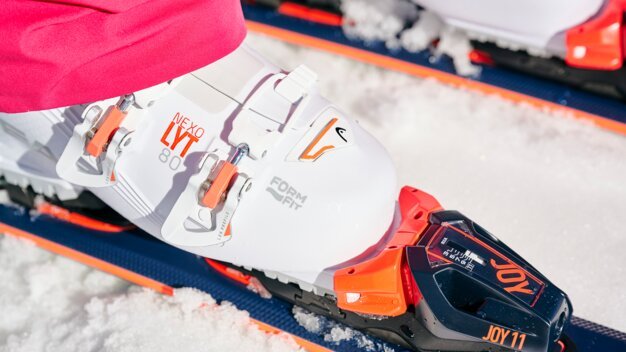
Before you head to the slope, you should bear in mind that the sole length is a decisive factor when changing your ski boots. Unlike the actual boot size, the sole length in millimetres indicates the actual outer length of the ski boot. The binding jaws are adjusted on the basis of this length in order to precisely determine the release forces. If the sole length changes due to a new ski boot, the binding must also be checked to ensure safety.
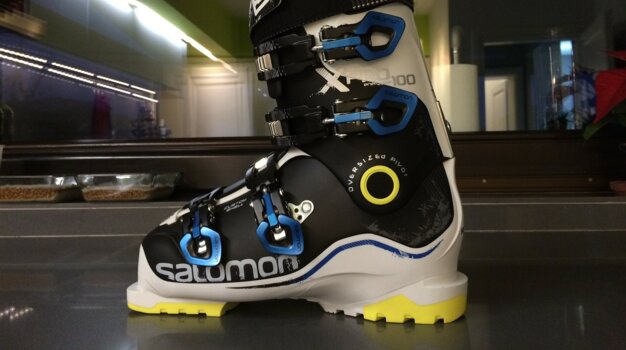
Mondopoint vs. shoe size: what's the difference?
As already mentioned, the Mondopoint system measures foot length in centimetres and is therefore the only standardised size system for ski boots. A value such as MP 27.0 means that your foot is exactly 27 cm long, regardless of the brand of boot. EU boot sizes, on the other hand, are not standardised. That's why the classification in the ski boot size chart is only a guideline. If you want to be on the safe side, measure your foot and choose the ski boot size based on the Mondopoint.
How your skiing style influences the choice of the right ski boot size
Choosing the right size of ski boots is crucial for comfort and performance on the slope and during other outdoor activities in the snow. It also depends on your skiing style. Whether you are a relaxed carver or an adrenaline junkie not only influences the size, but also the type that suits you. That's why you'll often be asked about your preferred skiing style when renting or buying ski boots.
The most important ski boot types at a glance:
- All-mountain ski boots: Versatile all-rounders with high comfort, soft flex and good insulation, ideal for leisure skiers and different slope conditions.
- Ski boots for beginners: Comfortable, easy to put on models with a low flex value (60-90) for maximum comfort and freedom of movement.
- Women's ski boots: Narrower fit and extra comfort for delicate feet.
- Men's ski boots: Models with a wider fit and higher material thickness to compensate for greater forces due to higher body weight.
- Children's ski boots: Comfortable boots with easy entry (e.g. rear entry) and a growth-friendly fit for the little ones.
- Performance ski boots: Comfortable and stable for long, intensive days of skiing.
- Ski touring boots: Lightweight and flexible with a walking function for ascents and pin-binding compatibility for modern touring skis.
- Racing boots: Close-fitting ski boots with a hard shell and high flex value (from 100), perfect for precise power transmission and speed.
- Freeride ski boots: Robust models with a high flex and additional features such as Vibram soles, ideal for optimum control in deep snow.
Flex index and choosing the right ski boot size
The flex index describes how stiff the boot shaft is when moving forwards. It is another important factor when choosing the right ski boots. The higher the flex index, the greater the resistance on the shin. This provides more control and more precise power transmission to the ski, but restricts the mobility of the ankle joint.
Important to know: The flex value is not standardised and can vary depending on the manufacturer. Temperatures also play a role. Stiffness can increase by up to 20 % in cold conditions.
The flex index that suits you depends on your ability, your skiing style and your weight. A high flex (e.g. from 100) is suitable for experienced skiers and racers who are looking for maximum stability and control. Beginners and pleasure skiers, on the other hand, benefit from a lower flex (e.g. 60-90), which offers more comfort and cushioning.
Pro tip: Don't just pay attention to the size of the ski boots, but also to the flex value and technical features to find the perfect model for your skiing style!
For professional advice, we recommend a visit to one of our INTERSPORT Rent locations, where you can try out different models.
Innovative technology in modern ski boots
Modern ski boots are true high-tech wonders! Thanks to innovative materials such as brushed polyamide, they protect your feet from impacts and offer a high level of comfort at the same time. Adjustable aluminium cantings ensure a perfect fit and improve the wearing comfort - both on the slope and during après-ski.
The latest models are not only lightweight and durable, but also offer advanced technologies that make skiing safer and more enjoyable. With rental equipment from INTERSPORT Rent, you always have access to various products that suit your needs and your ideal ski boot size.
Perfect fit thanks to individual ski boot customisation
Customised ski boots ensure the best fit, optimum comfort and perfect support - crucial for an enjoyable and high-performance time on the slopes. During boot fitting, the boot is customised to the shape of your foot so that pressure points and friction are a thing of the past.
Professional customisation not only makes the ski boot more comfortable, but also more functional:
- It supports malpositions such as fallen arches or splayed feet.
- It provides better support for narrow feet or wide calves, for example.
- It solves problems that can arise due to other individual foot shapes.
Benefit: The precise fitting improves power transmission and gives you more control and stability when skiing.
Take advantage of the boot fitting service at INTERSPORT Rent: simply bring your ski boots with you and have them perfectly customised - for maximum comfort and an unforgettable skiing experience!
Choosing the right ski boot size is the key to comfort, safety and performance on the slope. From the precise measurement of your foot length in the Mondopoint system to the consideration of skiing style, flex value and technical features – every aspect contributes to a better skiing experience.
Get advice from the experts at INTERSPORT Rent, test different models and enjoy the best that ski boots have to offer with the latest technology - for unforgettable days in the snow!
Frequently asked questions about ski boot size
What is the right ski boot size?
You can determine the correct ski boot size using the Mondopoint system (MP), which indicates the foot length in centimetres. To do this, measure both feet barefoot from the heel to the longest toe and orientate yourself on the longer foot. The width of the last also plays an important role. Also note: The correct fit of the ski boot also depends on how you ski! We recommend different ski boots for cosy carvers than for adrenaline junkies. So don't be surprised if you are asked about your skiing style when hiring or buying ski boots!
What ski boot size for children?
The size for children's ski boots is also measured using the Mondopoint system (MP), which is based on foot length in centimetres. It is particularly important that the boots fit snugly enough but do not pinch, as children's feet are sensitive. Models with growth-friendly features, such as rear entry or adjustable inner shoes, are ideal. Make sure that the boot has the right sole length for the binding and take the time to try it on with ski socks.
How do you recognise whether ski boots fit?
A well-fitting ski boot should slightly touch the toes when standing without pressing. In the skiing position (knees slightly bent), the toes should no longer touch the ski boots and the heel area should be securely fixed. There should be no uncomfortable pressure and the boot should not rub anywhere. Always try the boots on with ski socks and remember that the inner boot expands slightly after a few days.
How often should I check my ski boot size?
Ski boot size should be checked regularly, especially for children whose feet grow quickly. For adults, it is usually sufficient to test the fit before each ski season, as the padding and shape of ski boots can change over time. If they no longer fit well, it is advisable to make an adjustment or choose a new model.
What to do if your feet are different sizes?
If your feet are different, always base your choice of ski boot size on the larger foot. For the smaller foot, you can use insoles or thermal adjustments to ensure a perfect fit. In many cases, specialised retailers such as INTERSPORT Rent offer professional boot fitting in order to optimally fit both feet.
Should I choose one size larger or smaller for ski boots?
One basic rule is that ski boots should never be bought too big. The reason for this is that the foot will otherwise start to "swim" in the inner boot if there is too much space, which can not only cause blisters but also impair control when skiing. If you are between two sizes, you should always choose the smaller model, although you should be aware of the extent to which the boot will leave pressure points and possibly reduce circulation. If you constantly have problems with the right ski boot size, you should also look into boot fitting. This involves adapting the ski boots to your individual foot shape.
Is it better if ski boots fit tighter or looser?
Well-fitting ski boots should fit snugly without constricting your feet or calves. This ensures that the power from the upper body and calves is transferred evenly to the skis. At the same time, the tight fit prevents the feet from sliding around in the inner boot. This can cause them to cramp and impair your downhill performance.
INTERSPORT Rent tip
The RENTertainer recommends
What doesn't fit is made to fit! If the size of your ski boots don't fit perfectly, take them to the nearest INTERSPORT Rent shop near you on your next ski holiday. Our RENTertainers will take care of making them comfortable again with our boot-fitting service!
Of course, you can also rent ski boots, skis and all kinds of winter sports equipment at one of over 800 locations in Europe and Canada - expert advice included!
Related articles
You may also be interested in: